Tips, Techniques, and Advice
Many of the following techniques came from my direct experiences in behavioral health units, detox centers, and rehab facilities. They helped me survive and manage my opioid addiction and recovery.
These tips are not just for addicts. They are equally effective for anyone suffering from trauma, pain, depression, and anxiety.
May they give you some hope.
These tips and techniques are not intended as a substitute for professional or medical advice. They are simply things I found helpful in my recovery journey and wanted to share with you. Please consult qualified professionals for specific advice or services appropriate to your individual circumstances.
BRAIN TRAINING = NEUROPLASTICITY
When the brain is damaged, and you are no longer able to perform certain tasks, uninjured areas can take over and learn to do the job. The brain does this by creating new connections between neurons, and/or removing old ones. So, what does this mean for us?
We can increase our neuroplasticity by learning new skills, exercising, and getting good sleep. As we age, we need to focus on these things more and more.
Over the next several weeks, I’ll share various ways you can strengthen your brain while having fun. Because, as my wife, Lori, says, “If it’s not fun, why are you doing it?”

LANGUAGE
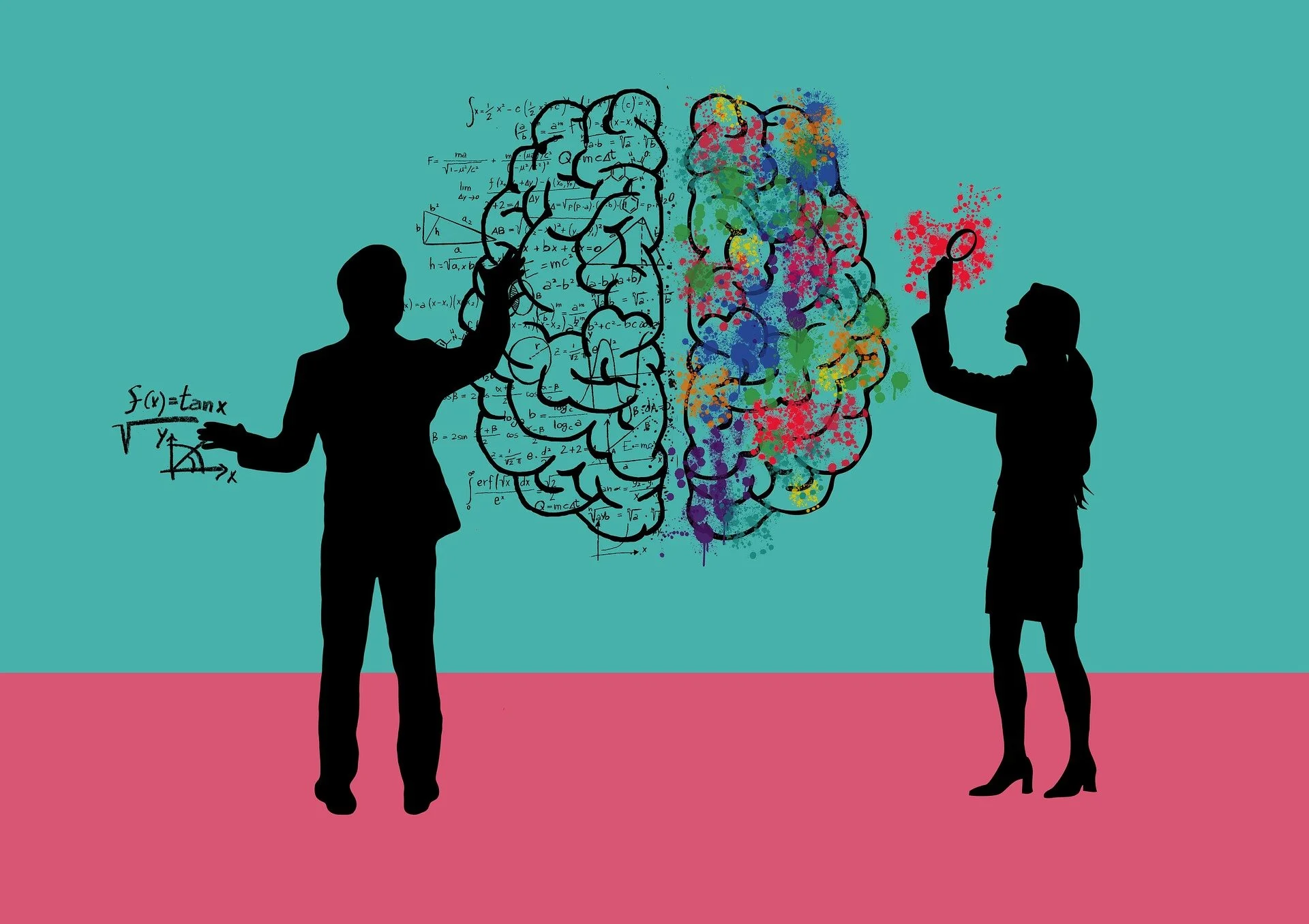
Learning a new language is an incredible workout for the brain. In fact, your brain actually grows, creating more neurons and synapses while improving conductivity. You get better at focus, attention, executive function, and memory. It even delays cognitive decline.
EXERCISE
We all know that movement and exercise keep our bodies fit and healthy. Brain connectivity can be increased through exercise. Particularly when learning something new. Practicing movements builds new neural pathways that can improve cognitive ability. It doesn't have to be something hardcore like running a marathon. It doesn’t even have to be a new skill. I used to juggle back in college, and have taken it up again as a way to work on mental concentration (and have fun).


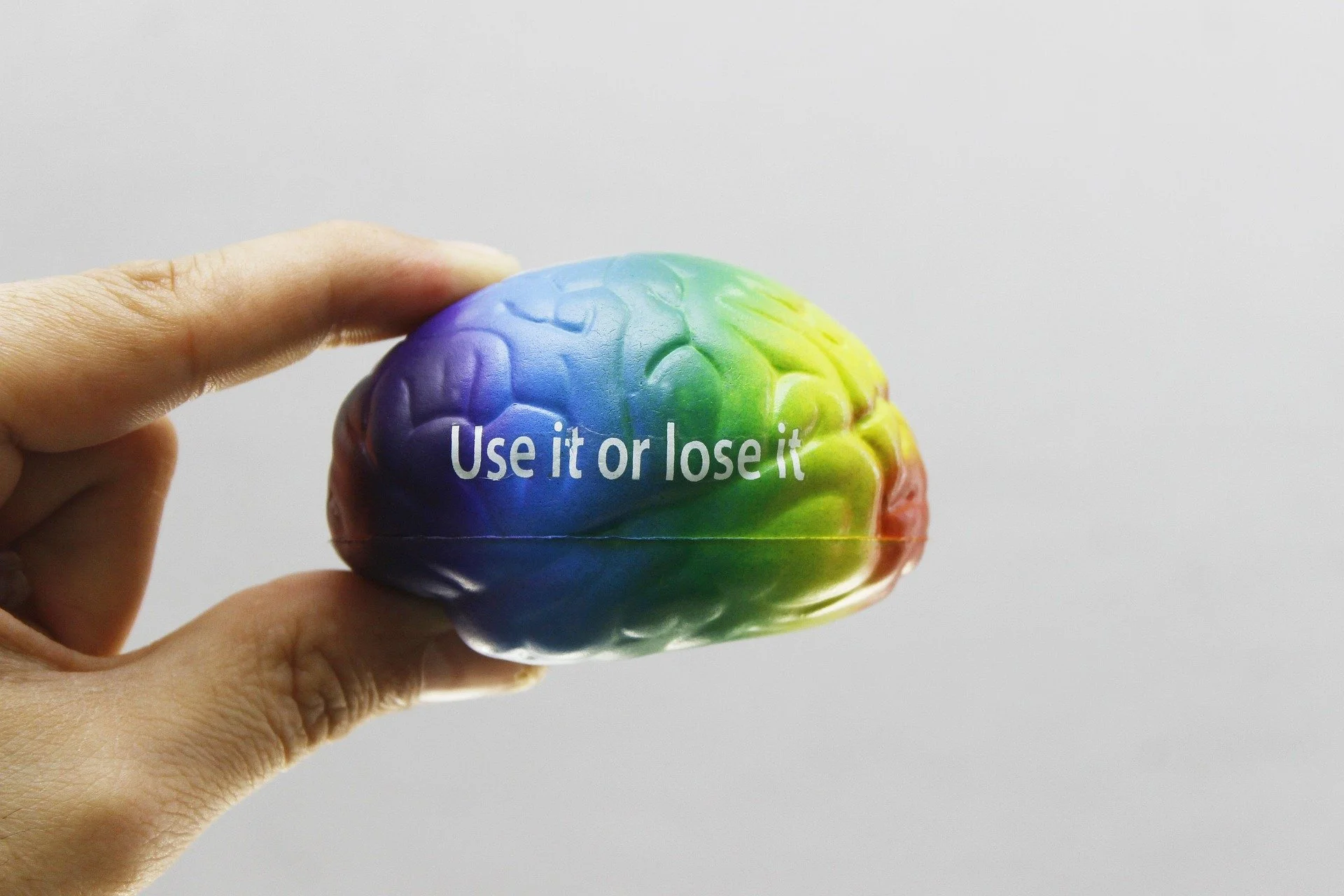
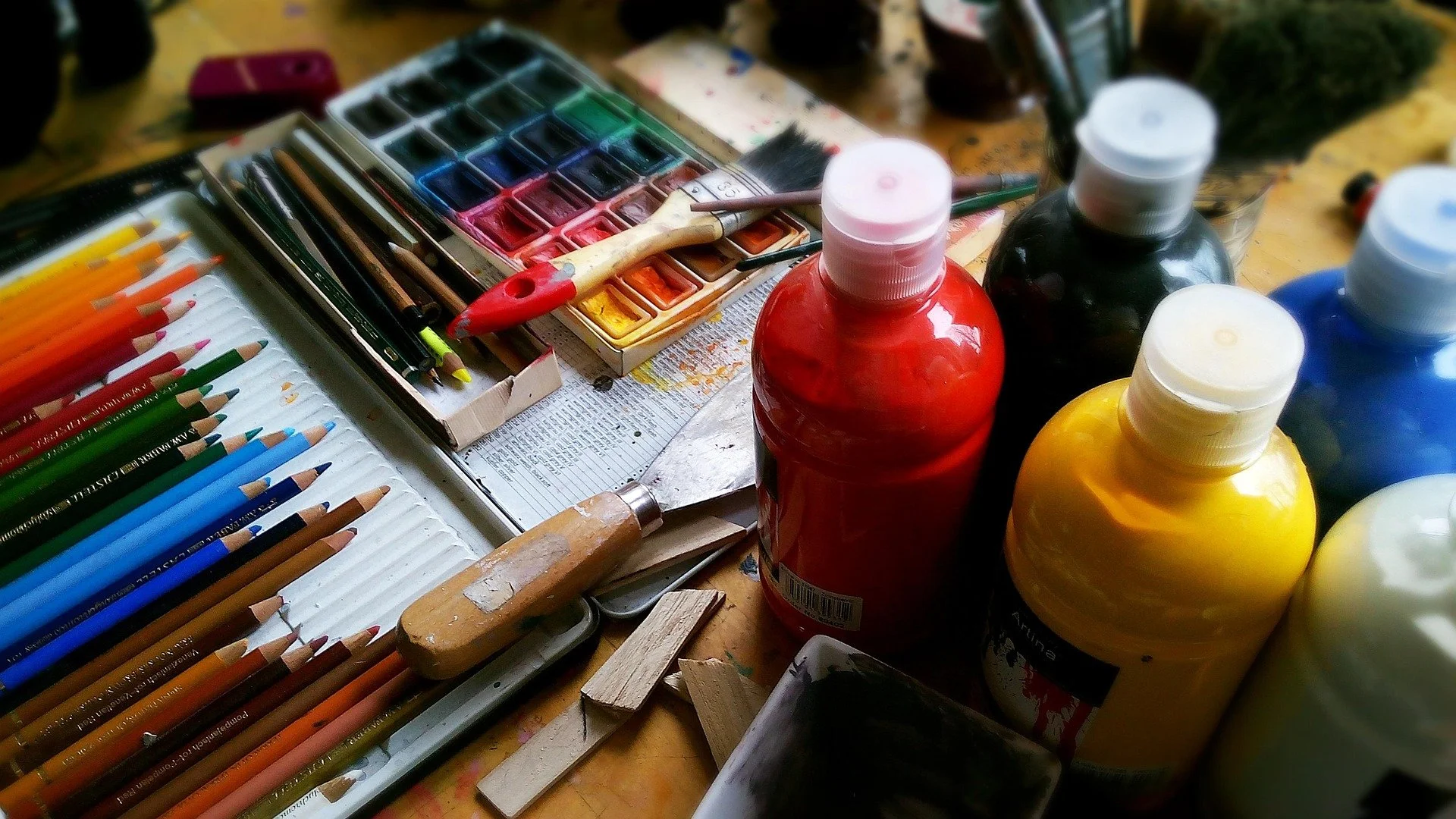
Visual art is another way to retrain your brain. That’s one reason it is so popular in rehab centers. Planning a piece, measuring, even mixing paint colors activates both sides of the brain. The hemispheres of creative people’s brains share information and communicate more quickly. It can also open up new perspectives and help you express insights or personal challenges that are difficult to put into words. Art can help you relax, enhance your creativity, bolster your ability to focus and problem-solve, and even help you surf the urges and cravings of addiction. And, you might end up with something pretty for your wall.

ART


MUSIC
Because reading music and playing an instrument activates both sides of the brain, it is a fantastic way to improve neuroplasticity. You are using the visual, auditory, and kinetic parts of your brain. You are improving your concentration, focus, memory, and fine motor skills. You are using both hemispheres of the brain simultaneously. You are developing more gray matter.
Even listening to music increases brain health and relieves stress.

WEIGHTED BLANKETS to RELIEVE ANXIETY
Weighted Blankets were on-trend a couple of years ago for a very good reason. The even distribution of the weight helps calm the nervous system. Stress hormones decrease, and feel-good hormones increase.
Weighted blankets not only help relieve anxiety; they can also promote better sleep, reduce the perception of chronic pain, and help people feel grounded.
Like a good hug, or a baby being swaddled, the gentle pressure creates a feeling of safety and security. And who doesn’t want that?
Weighted blankets are available online, at boutiques, and at big box stores. If you can’t get one, heavy pillows or quilts can serve as a substitute.

If you want dozens more tips, without waiting for them to be posted here, you can find them in Behind the Badge. Purchase links are on my home page.
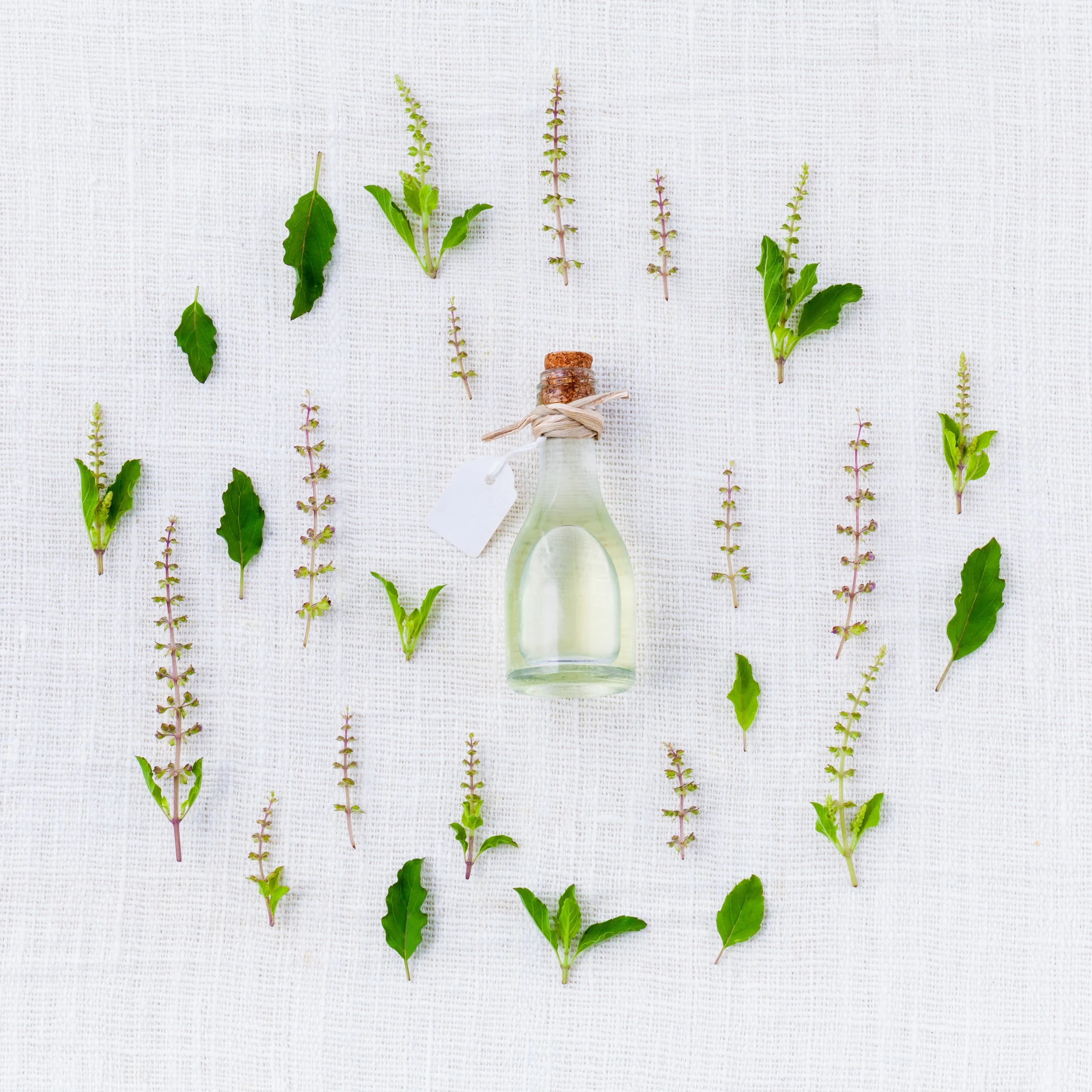
They say that smells evoke memories more intensely than other senses. So, why not use specific scents to bring back positive memories? The smell of sun-warmed pine trees takes me back to happy childhood days of camping at Lake Tahoe with my family and friends.
While I might not be able to get back to Tahoe when I want, I can use cedar or other woodsy essential oils to remind me of happy times. Other essential oils serve me in different ways. Lavender relieves anxiety. Chamomile promotes relaxation. Peppermint boosts mental clarity. Lemon increases energy.
Essential oils are available at pharmacies, grocery stores, online, and even Walmart and Costco carry them. I usually put a couple of drops on my wrists, but there are many ways to use them: infusers, room sprays, or cotton balls. I even know someone who puts a few drops on the inside of toilet paper tubes to release the scent when the roll spins. If nothing else, aromatherapy makes things smell nice.
AROMATHERAPY to SUPPORT WELL-BEING
ICE CUBES for STRESSFUL TIMES
Sometimes we all need a distraction. Maybe it’s from reckless behavior, a craving, a looming panic attack, anger, disappointment, or anxiety.
This is when I’ll grab a handful of ice cubes and head out to the driveway. I squeeze the ice as tightly as I can. When my knuckles are turning white, and my palm is so cold it feels hot, I really have no choice but to focus on the present. I’m not thinking about the reason I grabbed the ice cubes, just the feeling in my hand.
Then, to release the feelings, I throw the cubes onto the cement as hard as I can. Shatter the ice, break the negative thought patterns. Take some deep breaths and get back to life - calm, focused, and present.
Sounds crazy, I know, but it works for me. The next time you feel stressed, give ice cubes a try. Maybe they’ll also help you.


MODIFIED 4-COUNT BREATHING to RELAX
The first tip I shared was belly breathing. Today, I want to share a different breathing technique that I use to help me relax. It’s quite simple, and surprisingly effective.
Breathe in through your nose for a count of four. Exhale through your mouth for a count of four, emptying your lungs completely. Hold your breath for a count of four. Repeat for a few cycles.
Holding your breath with empty, rather than full, lungs may seem odd. I find it very calming. Maybe because it’s about release, not holding on.
This method can be modified to a “square breath” where you breathe in for a count of four, hold your breath for four, exhale for four, and hold your breath for four. I invite you to try both ways and see if you notice any difference. As always, use what works for you.
SCANNING to GET CENTERED
When I feel like I’m spiraling out of control, or a panic attack is on the way, scanning is a great tool for grounding myself. I invite you to try this stress reduction technique the next time you need to get centered and calm.
Take a few slow belly-breaths (see below). As you exhale, relax your shoulders. Get comfortable and take a few more deep belly-breaths. What do you see in front of you? Notice it and name it. Now, slowly move your head, not just your eyes, toward the next visual distraction. Notice it and name it. Then continue to the next thing, and the next, and so on. Remember to keep taking deep, relaxing breaths. There’s no need to linger on an object; notice it, name it, and move on. Keep going until your heart calms, and you feel focused and relaxed. Seeing the objects: a light switch, a door, a plant, a mug, and saying their name brings you to the present moment. No worries, no fear, just observing things around you and labeling them.
I like scanning because of its versatility. I can do it alone or in a group. I’ve even used it in the grocery store check-out line. No one knows I’m using a centering technique, and I’m able to get grounded and continue with my day.
BELLY BREATHING (diaphragmatic breathing) to CALM DOWN
Using your breath is one of the simplest methods there is to calm down, focus, and recenter. For this reason, it’s the first tip I want to share.
The diaphragm muscle is the one between the stomach and the lungs. It is attached to the bottom of the lungs and acts like a bellows to draw air into the lungs.
Belly breathing can be done lying down, sitting, or standing. It can even be done while walking, but I would wait to try that until you have a firm grasp on the technique.
As you draw in your breath, resist the urge to expand your upper chest. Instead, draw your diaphragm muscle downward and outward. It may feel a bit like your stomach is filling with air. Release the air from your lungs by completely relaxing your diaphragm muscle.
Repeat.
Belly breathing is how babies breathe. We’ve just forgotten how.